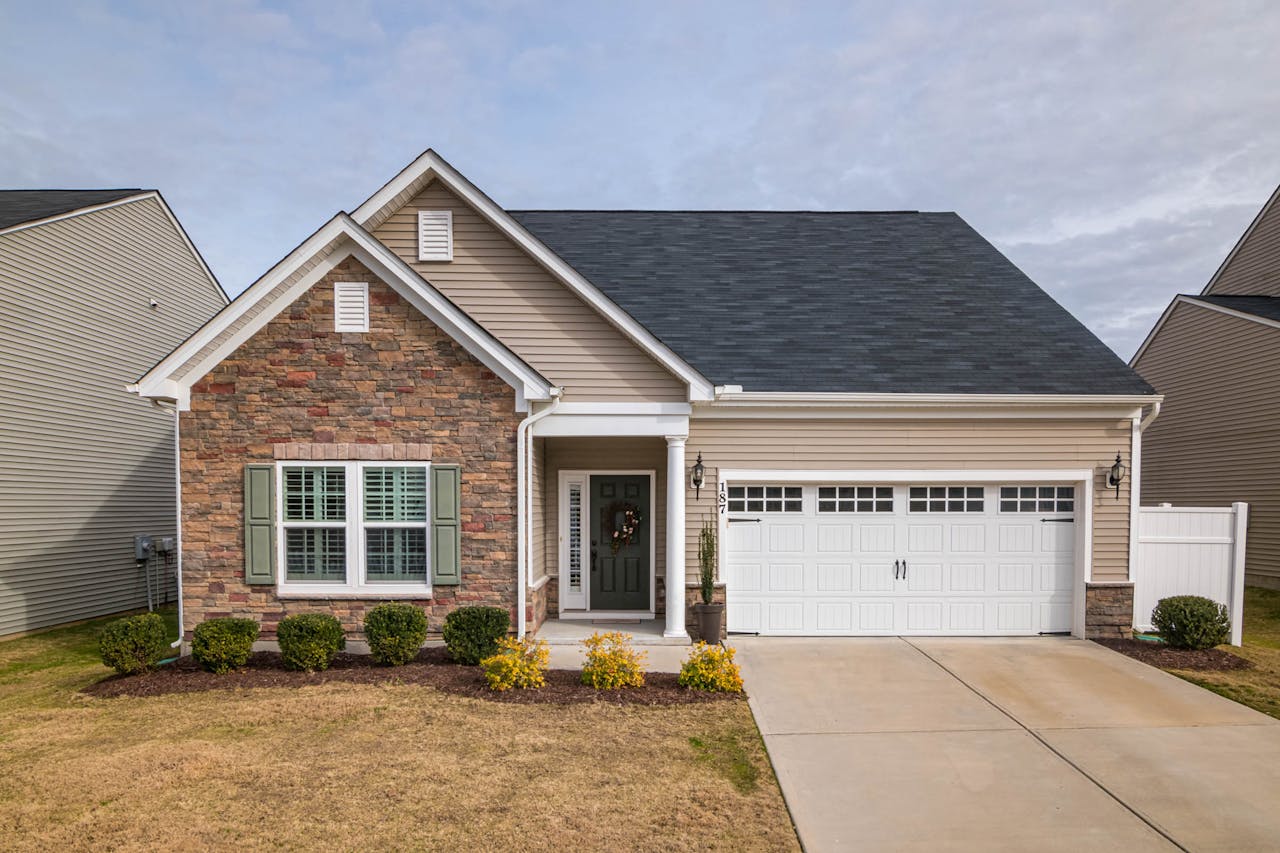
Rent-to-own homes have become an increasingly popular option for individuals who dream of homeownership but face challenges with traditional mortgage approval. This arrangement allows tenants to rent a property with the option to purchase it later, often applying a portion of their rent toward the eventual purchase price. While the concept sounds appealing, it comes with both advantages and drawbacks that potential buyers should carefully weigh. Understanding the pros and cons of rent-to-own homes can help you decide whether this path is the right fit for your financial situation and long-term goals.
How Rent-to-Own Agreements Work
A rent-to-own agreement typically combines two contracts: a lease and a purchase option. The lease outlines the rental terms, including monthly payments and responsibilities for maintenance. The purchase option gives the tenant the right, but not always the obligation, to buy the home at a predetermined price within a set timeframe. Some agreements require an upfront option fee, which may be credited toward the purchase price if the tenant decides to buy. Additionally, a portion of each monthly rent payment may be applied toward building equity in the property.
This hybrid structure is designed to bridge the gap between renting and owning, offering tenants time to improve their credit, save for a down payment, or test out living in the home before committing to ownership.
The Advantages of Rent-to-Own Homes
One of the most significant benefits of rent-to-own homes is accessibility. For individuals who struggle to qualify for a mortgage due to limited credit history or financial setbacks, rent-to-own agreements provide a pathway to ownership without immediate bank approval. This can be particularly appealing for first-time buyers who need time to strengthen their financial profile.
Another advantage is the ability to lock in a purchase price. In markets where property values are rising, securing a home at today’s price can be a smart financial move. Even if the market continues to climb, the tenant has the option to buy at the agreed-upon price, potentially gaining instant equity.
Rent-to-own homes also allow tenants to “test drive” the property. Living in the home for several years before buying provides valuable insight into the neighborhood, commute, and overall suitability of the property. This reduces the risk of buyer’s remorse and ensures that the investment aligns with lifestyle needs.
Finally, the structure of rent-to-own agreements can help tenants build equity gradually. With a portion of rent payments applied toward the purchase, tenants are essentially investing in their future home rather than paying rent with no long-term benefit.
The Drawbacks of Rent-to-Own Homes
Despite the appealing benefits, rent-to-own homes carry notable risks. One of the biggest concerns is the potential loss of money if the tenant decides not to purchase the home or fails to qualify for financing at the end of the lease. Option fees and rent credits are often nonrefundable, meaning years of payments could be forfeited if the purchase does not go through.
Another drawback is the higher cost of rent. Because a portion of the monthly payment is applied toward the purchase price, rent-to-own agreements often come with inflated rental rates compared to standard leases. This can strain budgets, especially if tenants are also working to improve their credit or save additional funds.
Maintenance responsibilities can also be a gray area. In some rent-to-own agreements, tenants are expected to handle repairs and upkeep as if they already own the home. This can lead to unexpected expenses, particularly if the property requires significant work. Without clear contractual terms, disputes between landlords and tenants may arise.
Additionally, locking in a purchase price can be a double-edged sword. While it protects tenants in a rising market, it can backfire if property values decline. Tenants may find themselves obligated to buy a home for more than its current market value, resulting in negative equity from the start.
Financial Considerations
Before entering a rent-to-own agreement, tenants should carefully evaluate their financial readiness. Improving credit scores, reducing debt, and saving for closing costs are essential steps to ensure the ability to secure financing when the lease ends. Consulting with a financial advisor or mortgage broker can provide clarity on whether rent-to-own is a viable path. Rent to own works differently in each state, and rent to own homes in Illinois are not the same as rent to own in Maryland.
It is also important to review the contract thoroughly. Tenants should understand how much of their rent is applied toward the purchase, whether option fees are refundable, and what responsibilities they hold during the lease. Legal guidance can help identify potential pitfalls and ensure the agreement is fair.
Who Rent-to-Own Homes Are Best For
Rent-to-own homes are best suited for individuals who are committed to homeownership but need time to prepare financially. They are particularly beneficial for renters who anticipate improving their credit or income within a few years. This option also appeals to those who want to secure a home in a competitive market without rushing into a mortgage application.
However, rent-to-own is not ideal for individuals uncertain about long-term commitment. If there is any doubt about wanting to purchase the property, the financial risks may outweigh the benefits. Similarly, those who expect to relocate or face unstable income may find traditional renting a safer choice.
Conclusion
Rent-to-own homes offer a unique bridge between renting and owning, providing opportunities for individuals who might otherwise struggle to enter the housing market. The advantages include accessibility, locked-in purchase prices, and the ability to build equity gradually. Yet the drawbacks—such as nonrefundable fees, higher rent, and potential market risks—cannot be ignored.
Ultimately, the success of a rent-to-own arrangement depends on careful planning, financial readiness, and a clear understanding of the contract terms. For the right tenant, rent-to-own can be a stepping stone toward achieving the dream of homeownership. For others, it may prove to be an expensive detour. By weighing the pros and cons thoughtfully, prospective buyers can make informed decisions that align with their financial goals and lifestyle needs.